
Water absorption and retention are essential functions across many industries, including agriculture, horticulture, personal care, mining, wastewater treatment, and industrial spill management. Various materials can absorb or retain water, from natural fibers and mineral absorbents to traditional soil amendments. However, few materials offer the combination of high absorption capacity, liquid retention, and application flexibility provided by 超吸水性聚合物(SAP).
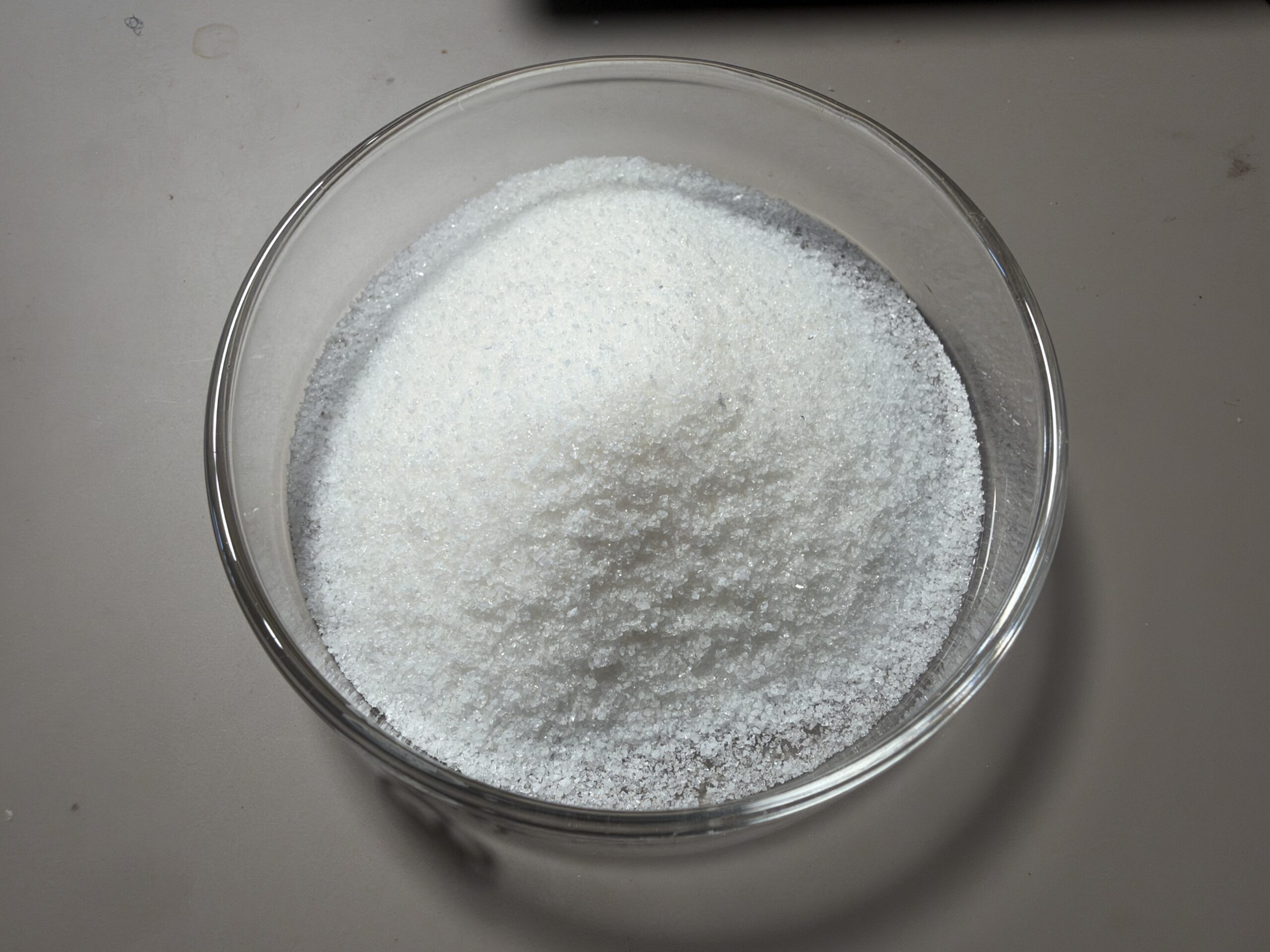
As a professional superabsorbent polymer manufacturer in China, GELSAP supplies industrial-grade sodium polyacrylate and potassium polyacrylate for customers seeking efficient water absorption and moisture management solutions.
In this article, we compare SAPs with other common water-absorbent materials and explain why superabsorbent polymers have become an important solution for modern industrial and agricultural applications.
1. Natural Fibers: Traditional Water-Absorbent Materials
Natural fibers such as cotton, wool, and jute have been used for centuries because of their ability to absorb or transport moisture.
- Cotton: Its cellulose structure allows it to absorb significant amounts of water, making it suitable for textiles, cleaning materials, and hygiene products.
- Wool: Its natural fiber structure provides moisture absorption and moisture management properties.
- Jute: A renewable, biodegradable fiber commonly used in packaging, agricultural textiles, and erosion-control products.
Despite these advantages, natural fibers have limitations in applications requiring high liquid absorption and long-term retention.
They generally cannot immobilize large quantities of free liquid in a compact, stable gel structure. Their performance can also be affected by decomposition, microbial activity, and environmental conditions.
For industrial applications that require high absorption capacity and reliable liquid immobilization, SAPs provide a more specialized solution.
2. Soil Amendments: Peat Moss and Coir
Peat moss and coir (coconut fiber) are widely used in horticulture and agriculture to improve soil structure and moisture retention.
泥炭蘚
Peat moss has a porous structure that helps retain water and improve growing media. However, concerns about peatland conservation and slow natural regeneration have encouraged growers to explore alternative materials.
Coir Fiber
Coir is derived from coconut husks and is a renewable alternative to peat. It improves soil aeration, water retention, and growing media structure.
Although both materials are useful for improving soil moisture conditions, they have limitations when a higher water-retention capacity is required in a relatively small amount of material.
Superabsorbent polymers offer a different approach: instead of relying primarily on physical pores, SAPs absorb water through their polymer network and form a water-containing gel.
3. Superabsorbent Polymers (SAPs): High-Capacity Water Absorption
Superabsorbent polymers are crosslinked hydrophilic materials designed to absorb and retain large quantities of water or aqueous solutions relative to their own weight.
One of the most widely used SAP materials is 聚丙烯酸钠, which is commonly applied in hygiene products, industrial liquid absorption, spill control, and waste solidification.
Depending on the polymer formulation and test conditions, certain SAP grades can absorb hundreds of times their own weight in deionized water. Actual absorption capacity is generally lower in tap water, saline solutions, and other liquids containing dissolved substances.
When SAP absorbs water, its polymer network swells and forms a gel. The crosslinked structure helps prevent the absorbed liquid from flowing freely, making SAP particularly useful for applications that require liquid immobilization.
Key Advantages of SAP Materials
- High absorption capacity: Absorbs substantial quantities of water relative to its dry weight.
- Liquid retention: Forms a gel structure that helps immobilize absorbed liquids.
- Application flexibility: Available in different grades, particle sizes, and formulations.
- Improved material efficiency: A relatively small quantity can handle significant liquid volumes.
- Industrial versatility: Suitable for various applications, including waste treatment, mining, agriculture, and hygiene products.
For businesses looking for a reliable superabsorbent polymer supplier, selecting the correct SAP grade is essential. Absorption performance, gel strength, particle size, and compatibility with the target liquid should all be considered.
4. Agricultural Hydrogels: Potassium Polyacrylate for Soil Water Retention
Agriculture is one of the important application areas for superabsorbent polymers.
However, not all SAP materials are interchangeable. For agricultural soil conditioning and water-retention applications, potassium polyacrylate-based SAP is commonly preferred over conventional sodium polyacrylate.
When incorporated into soil, agricultural SAP absorbs irrigation water or rainfall and expands into a hydrogel. As the surrounding soil becomes drier, the hydrogel can release part of its stored water as the moisture balance changes.
This mechanism can help improve soil water availability and support plant growth under appropriate application conditions.
Benefits of Agricultural SAP
- Helps increase soil water-retention capacity.
- Can reduce irrigation frequency under suitable conditions.
- Supports plant establishment and root-zone moisture management.
- Helps reduce water loss through drainage.
- Provides a practical water-management option for drought-prone agricultural areas.
The performance of agricultural SAP depends on soil texture, salinity, irrigation practices, dosage, and application methods.
GELSAP supplies potassium polyacrylate in different particle sizes to support agricultural and horticultural applications.
5. Mineral Absorbents: Vermiculite, Perlite, and Zeolite
Mineral-based materials are also widely used in horticulture, agriculture, and industrial applications.
蛭石
Vermiculite is a naturally occurring mineral that expands when heated. Its layered structure helps retain water and nutrients, making it useful in seed starting and growing media.
Perlite
Perlite is a lightweight volcanic mineral. It improves soil aeration and drainage while retaining some moisture within its porous structure.
沸石
Zeolites are microporous aluminosilicate minerals with ion-exchange properties. They can retain water and nutrients and are used in soil conditioning, filtration, and other industrial processes.
These materials offer useful physical and chemical properties. However, their water-retention mechanisms differ from those of superabsorbent polymers.
For applications requiring substantial liquid absorption and gel formation, SAPs generally offer a more suitable solution.
6. SAP vs. Other Water-Absorbent Materials: A Comparison
| 材料 | Main Advantage | Main Limitation | 典型應用 |
|---|---|---|---|
| 棉质 | Natural moisture absorption | Limited liquid immobilization | Textiles, hygiene |
| 羊毛 | Moisture management | Not suitable for high-volume liquid absorption | Textiles |
| Jute | Renewable and biodegradable | Limited water-retention capacity | Packaging, agriculture |
| 泥炭蘚 | Improves soil moisture retention | Sustainability concerns | 园艺 |
| Coir | Renewable growing medium | Lower absorption efficiency than SAP | 农业 |
| 蛭石 | Water and nutrient retention | Limited gel-forming ability | 园艺 |
| Perlite | Improves aeration and drainage | Limited water storage | Growing media |
| 沸石 | Porous structure and ion exchange | Different absorption mechanism | Agriculture, filtration |
| 超吸水性聚合物 | High liquid absorption and gel formation | Performance depends on liquid chemistry and grade | Agriculture, mining, waste treatment, hygiene |
The comparison shows that each material has its own advantages. Nevertheless, SAPs offer a distinctive combination of high absorption capacity, liquid immobilization, and customizable formulations.
7. Industrial Applications: Beyond Agriculture and Hygiene
Superabsorbent polymers are not limited to agricultural water retention or personal care products.
Different SAP formulations are used in a wide range of industrial applications.
Mining and Mineral Processing
Sodium polyacrylate-based SAP can be used to absorb and immobilize water in certain fine mud and slurry treatment processes. It can help convert liquid-containing waste into a more manageable solid or semi-solid material, depending on the waste composition and treatment conditions.
Drilling and Tunnel Construction
In drilling mud treatment, TBM spoil management, and tunnel construction, suitable SAP grades can help absorb free water and improve the handling characteristics of fine-grained waste materials.
Wastewater and Sludge Treatment
Industrial-grade SAP can be applied to selected sludge and liquid waste streams to support dewatering and solidification processes. Dosage and performance should be evaluated through laboratory or on-site trials.
Hygiene and Absorbent Products
Sodium polyacrylate is widely used in absorbent hygiene products, including diapers, sanitary pads, and adult incontinence products. Its ability to retain liquid under pressure makes it a key material in these applications.
At GELSAP, our focus is on supplying industrial-grade SAP raw materials for customers developing and operating these applications.
8. Why Choose GELSAP as Your SAP Manufacturer?
Choosing a suitable superabsorbent polymer supplier involves more than comparing absorption capacity or price. Consistent product quality, technical support, supply capability, and application suitability are equally important.
GELSAP (QINGDAO GELSAP BIO-TECHNOLOGY CO., LTD) is a China-based manufacturer specializing in superabsorbent polymer raw materials for industrial and agricultural applications.
Our product portfolio includes:
- 聚丙烯酸钠: Industrial-grade SAP for liquid absorption, sludge solidification, mining, drilling, and other industrial applications.
- Potassium Polyacrylate: Agricultural-grade SAP for soil water retention and horticultural applications.
- Customized Particle Sizes: Different particle-size options to meet specific processing and application requirements.
We work with international distributors, manufacturers, engineering companies, and industrial end users to identify suitable SAP grades for their projects.
Whether you are looking for bulk superabsorbent polymer, sodium polyacrylate powder, potassium polyacrylate for agriculture, or SAP for industrial waste treatment, GELSAP can help you evaluate the right material for your application.
Conclusion: Why Superabsorbent Polymers Are Leading the Way
Natural fibers, soil amendments, and mineral absorbents continue to play important roles in agriculture, horticulture, and industrial processing. However, when high liquid absorption, gel formation, and efficient liquid immobilization are required, superabsorbent polymers offer significant advantages.
From agricultural hydrogels to industrial sludge solidification, SAP technology provides flexible solutions for modern water-management challenges.
As a professional SAP manufacturer in China, GELSAP is committed to supplying reliable sodium polyacrylate and potassium polyacrylate raw materials to customers worldwide.
Looking for a reliable superabsorbent polymer manufacturer or bulk SAP supplier?
Contact GELSAP to discuss your application, technical requirements, and product specifications.
GELSAP – More Trust, More Value
網站: https://www.gelsap.com
電子郵件: info@gelsap.com
 香港中文
 English
 Deutsch
 Español
 Français
 Русский
 日本語
 العربية
 Italiano
 한국어
 Tiếng Việt
 简体中文
 Dansk
 हिन्दी
 Suomi
 Íslenska
 Bahasa Indonesia
 Türkçe
 English (Australia)
 English (Canada)
 English (New Zealand)
 English (South Africa)