
Ice packs are commonly used at home, in lunch boxes, and in first-aid kits to keep food cold or reduce swelling after injuries. But many people wonder: is the gel inside an ice pack toxic? What happens if it leaks, or if a child or pet accidentally touches or swallows it?
This article explains what ice pack gel is made of, whether it is dangerous, and what to do in case of exposure.
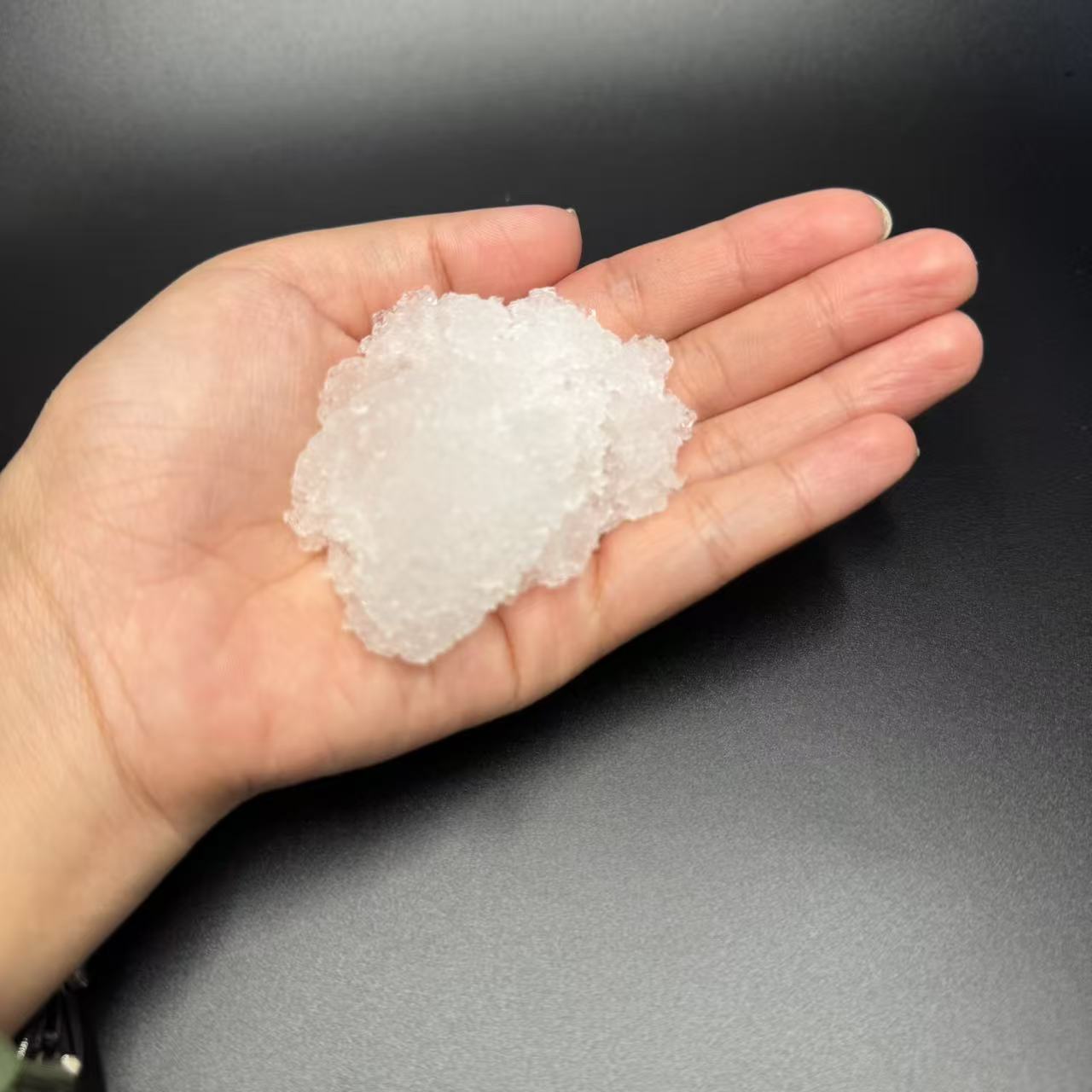

What Is Inside an Ice Pack?
Most reusable ice packs contain a gel or liquid designed to stay cold longer than plain ice. Common ingredients include:
-
Water
-
Polymer-based absorbent materials (such as sodium polyacrylate)
-
Propylene glycol or similar antifreeze agents (in some products)
-
Small amounts of preservatives or coloring agents
These materials allow the ice pack to remain flexible even when frozen and to release cold slowly.
Is Ice Pack Gel Toxic?
Short answer: Usually low toxicity, but not meant to be eaten.
Most modern ice packs are labeled “non-toxic”, meaning they are unlikely to cause serious harm from small, accidental exposure. However, non-toxic does not mean edible or safe to ingest.
Potential risks depend on:
-
The specific ingredients
-
The amount of exposure
-
The age and health of the person or animal involved
What Happens If Ice Pack Gel Touches Skin?
In most cases:
-
Skin contact is not dangerous
-
Mild irritation may occur in sensitive individuals
What to do:
-
Wash the area with soap and water
-
Stop using the damaged ice pack
Seek medical advice if redness, itching, or burning persists.
What If Ice Pack Gel Is Swallowed?
Small amounts:
-
May cause mild stomach upset, nausea, or vomiting
-
Often passes through the digestive system without serious harm
Larger amounts (especially for children or pets):
-
Can be more dangerous
-
Some polymers can expand when absorbing water, posing a choking or blockage risk
-
Certain chemicals may cause digestive irritation
What to do:
-
Do not induce vomiting
-
Rinse the mouth
-
Drink water (if advised by a professional)
-
Contact a poison control center or medical professional immediately
Is Ice Pack Gel Dangerous for Pets?
Yes, pets are at higher risk, especially dogs:
-
Sweet-smelling gels may attract animals
-
Swallowed gel can cause intestinal blockage
-
Some antifreeze-like ingredients can be harmful
If a pet chews or swallows an ice pack, contact a veterinarian immediately.
How to Use Ice Packs Safely
To minimize risk:
-
Do not puncture or cut ice packs
-
Store them out of reach of children and pets
-
Replace damaged or leaking ice packs
-
Read product labels for ingredient and safety information
-
Consider food-grade or water-only ice packs for lunch boxes
When to Seek Medical Help
Get professional help if:
-
A child or pet swallows ice pack gel
-
There are symptoms such as vomiting, severe pain, difficulty breathing, or lethargy
-
The product label does not clearly state “non-toxic”
Conclusion
The gel inside most ice packs is generally low in toxicity, but it is not safe to ingest. Accidental skin contact is usually harmless, but swallowing the gel—especially by children or pets—can be dangerous and requires prompt attention.
Using ice packs properly and storing them safely can prevent most accidents.

 English (New Zealand)
  English
  Deutsch
  Español
  Français
  Русский
  日本語
日本語  العربية
  Italiano
  한국어
한국어  Tiếng Việt
  简体中文
简体中文  Dansk
Dansk  हिन्दी
  Suomi
Suomi  Íslenska
  Bahasa Indonesia
  English (South Africa)
  English (Australia)
  English (Canada)
  香港中文
香港中文  繁體中文
繁體中文